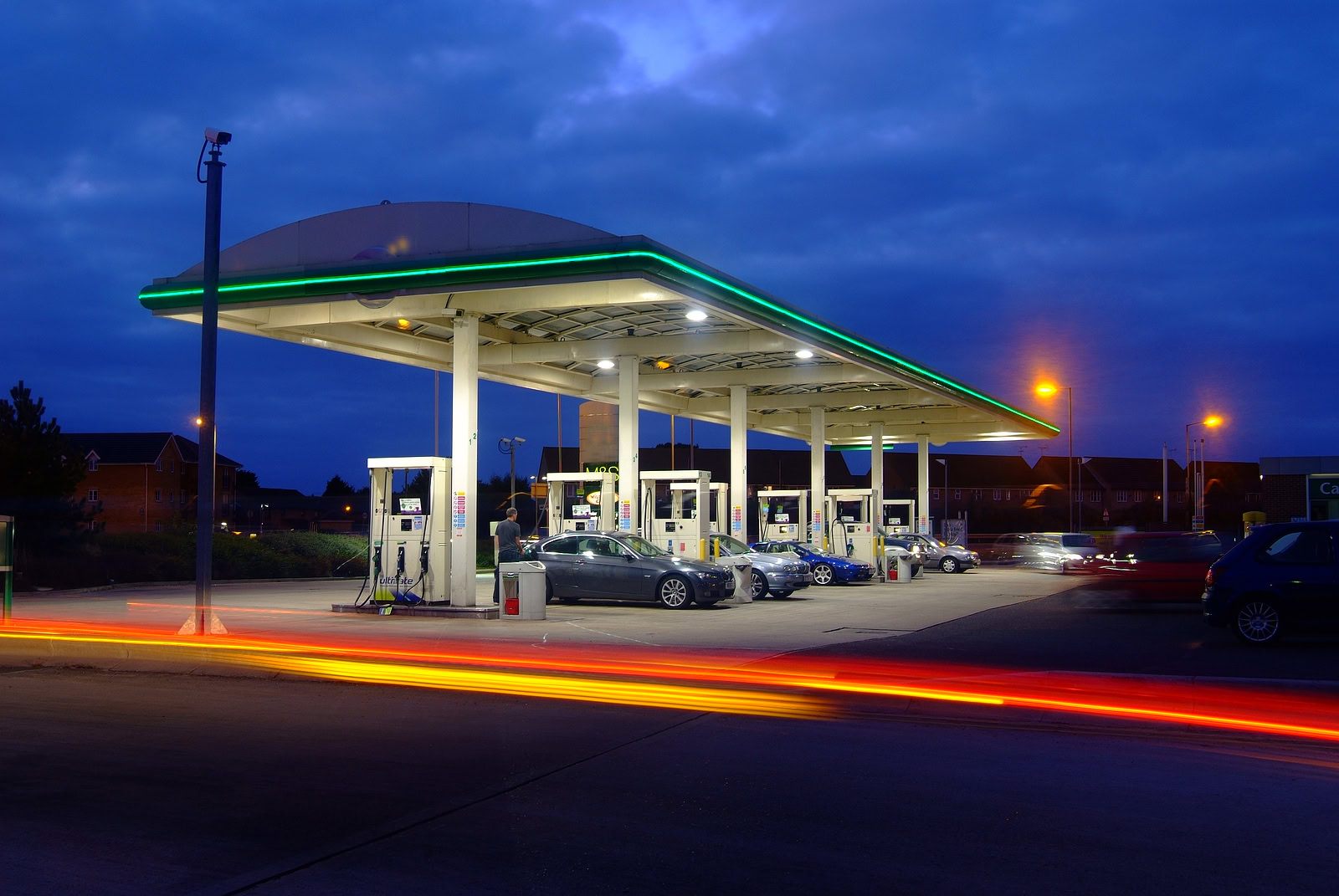
Selling a Service Station Business in Australia
Selling a service station is not the same as selling a standard retail business.
Fuel supply agreements, branding obligations, tight fuel margins and complex lease structures all influence value. Buyers in this sector are commercially experienced and numbers-driven. If you're planning to sell, preparation and structure matter far more than presentation alone.
Here's what you need to understand before going to market.
1. The Fuel Agreement Comes First
The fuel agreement is the backbone of the business.
Buyers will want to see who supplies the fuel, how long the agreement runs for, what margin structure applies and whether there are volume incentives or rebate arrangements in place. The length and security of the agreement directly influence risk.
If your fuel contract is close to expiry or unclear on renewal terms, that uncertainty will impact buyer confidence and possibly finance approval. Strong, stable supply agreements support stronger pricing. Weak or short-term arrangements often lead to discounted offers or more complex deal terms.
Before listing the business, review the agreement in detail and understand how it will transfer to a new operator.
2. Branding and Its Commercial Impact
In Australia, many service stations operate under recognised fuel brands. Branding can increase buyer interest because established systems, marketing support and supply stability are already in place.
However, branding also comes with obligations. There may be fit-out standards, marketing contributions, reporting requirements or minimum trading hours. Buyers will factor in the cost of maintaining compliance with brand standards.
If your site operates independently, margins may be more flexible, but volume consistency becomes more important. Buyers will want clear litre throughput data and stable shop sales to support the asking price.
Brand strength can add value, but only when the commercial terms are clear and manageable.
3. Profit Is Not Just About Fuel Volume
Fuel volume alone does not determine value.
Fuel margins in Australia are typically slim and competitive. The real profitability in many service stations comes from the convenience store component, tobacco, beverages, snacks, coffee, food offerings and, in some cases, car wash facilities.
When preparing for sale, separate these revenue streams clearly. Buyers want to see fuel income, shop sales, gross profit margins and operating expenses presented transparently. If the shop side of the business is strong and growing, it materially strengthens your position.
Clear reporting reduces negotiation pressure during due diligence.
4. Lease Structure Is Critical
The lease can either support the sale or create obstacles.
Buyers and lenders will closely assess the remaining lease term, option periods, rent increases and outgoings. A short lease with limited options reduces security and can affect both price and bank approval.
Ideally, you go to market with a secure lease term remaining or clear renewal options documented. If the fuel company is also the landlord, the relationship between lease terms and supply agreement becomes even more important.
Engaging with the landlord early, particularly if renewal is approaching, can prevent unnecessary complications later.
5. Compliance and Environmental Obligations
Service stations carry environmental responsibilities that many other businesses do not.
Tank compliance, environmental reporting, spill management systems and historical contamination records will be examined during due diligence. Missing documentation or unresolved issues can delay a transaction significantly.
Before selling, ensure compliance records are current and accessible. In this sector, incomplete paperwork is not a minor issue, it directly affects risk perception.
6. Market Conditions and Buyer Appetite
There is consistent demand in Australia for well-located service stations with stable fuel volume and solid shop performance. Experienced operators and investor groups remain active in the market.
However, most buyers rely on finance. Interest rates and lending appetite influence how aggressively buyers can move. Secure leases, strong agreements and consistent earnings make finance approval smoother.
As with most businesses, selling when performance is stable or improving produces better results than going to market after a downturn.
7. Preparation Protects Value
Service station transactions are structured, detailed and commercially assessed.
Fuel agreements, branding obligations, lease security and environmental compliance all shape the deal. Owners who prepare early, clarify agreements and present clean financials protect their negotiating position.
If you are considering selling your service station business, speak with SBX Business Brokers before going to market. We understand how fuel supply terms, lease structures and margin performance influence value, and we position sites to attract qualified, serious buyers.
Contact SBX Business Brokers for a confidential discussion about your service station and how to structure a sale that protects what you've built.